Understanding Ductless Air Conditioners
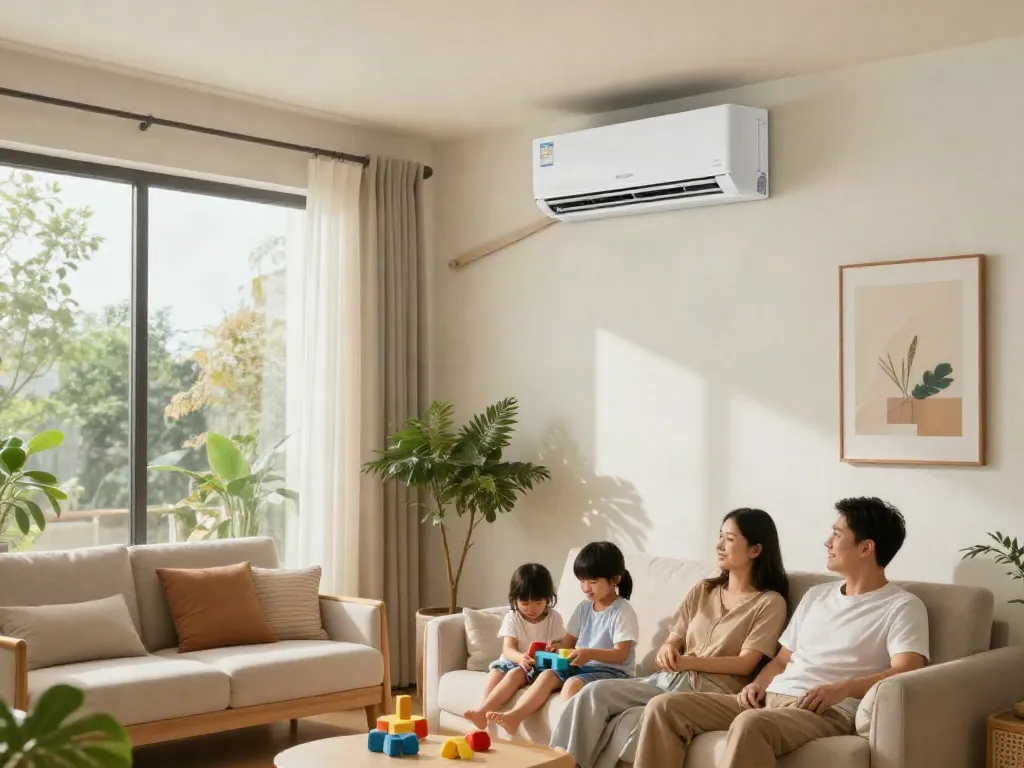
Ductless air conditioning systems, often referred to as mini-splits, have revolutionized the way we think about climate control in our homes and workplaces. Unlike traditional HVAC systems that rely on ductwork to distribute air, ductless systems provide targeted heating and cooling directly to the spaces that need it. This technology has gained widespread popularity, especially in urban settings where space and energy efficiency are paramount. As you explore options, ductless air conditioner mini models offer a sleek solution for both residential and commercial environments, emphasizing flexibility and efficiency.
What is a Ductless Air Conditioner Mini?
A ductless air conditioner mini, or mini-split system, consists of two main components: an outdoor unit and one or more indoor air-handling units. These units are connected by refrigerant lines and electrical wiring but do not require ducts for air distribution. The compact design of mini-splits allows them to be installed in various configurations, making them ideal for spaces where traditional systems would be impractical.
Key Features and Benefits of Ductless Systems
- Energy Efficiency: Ductless systems use inverter technology, allowing them to adjust the compressor speed to meet the cooling or heating demands of your space. This results in lower energy consumption and reduced utility bills.
- Easy Installation: The installation process for mini-splits is less invasive than traditional central air systems, as they require only a small hole for the refrigerant line, making them a great retrofit option for homes without existing ductwork.
- Individual Temperature Control: With the ability to set different temperatures for each indoor unit, ductless systems provide personalized comfort for different rooms or zones in your home.
How Ductless Air Conditioners Compare to Traditional HVAC
When comparing ductless air conditioners to traditional HVAC systems, several notable differences arise. Traditional systems rely heavily on ductwork, which can lead to energy losses of up to 30% due to leaks and poor insulation. In contrast, ductless systems minimize these losses because they deliver cooled or heated air directly into the living space. Furthermore, mini-splits are generally quieter than central systems as the noisy components are located outside the home.
Advantages of Ductless Mini Splits
Energy Efficiency and Cost Savings
Energy efficiency is one of the primary advantages of ductless mini splits. They often carry the ENERGY STAR label, indicating they meet strict energy efficiency guidelines set by the U.S. Environmental Protection Agency. This efficiency translates to significant cost savings over time, as homeowners can expect to see their energy bills decrease by 20-50% compared to conventional heating and cooling systems.
Flexible Installation Options
Another major benefit is the flexible installation options available with ductless systems. They can be mounted on walls, ceilings, or even used as floor models, adapting to the unique layout of any space. This flexibility is crucial for older homes and multi-family buildings where traditional ductwork installation would be challenging or impossible.
Improved Air Quality and Comfort
Ductless mini splits also contribute to improved indoor air quality. Since they do not use ductwork, they avoid the circulation of dust, allergens, and other pollutants that can accumulate in ducts over time. Additionally, many mini-split models come equipped with advanced filtration systems, capturing even smaller particles and improving overall air quality.
Installation and Maintenance Best Practices
Step-by-Step Guide to Installing a Ductless Mini Split
Installing a ductless mini-split requires technical expertise and a methodical approach. Here’s a simplified guide:
- Choose the Right Location: Identify areas where you need cooling or heating and select optimal locations for indoor units, ensuring effective air circulation.
- Install the Outdoor Unit: Place the outdoor condenser unit on a stable base, ensuring it has enough clearance for airflow.
- Connect Refrigerant Lines: Drill a small hole through the wall to connect the indoor and outdoor units. Run refrigerant lines, drain lines, and electrical wiring through this hole.
- Mount the Indoor Unit: Securely mount the indoor unit to the wall with brackets, making sure it is level.
- Complete Electrical Connections: Connect the electrical wires according to the manufacturer’s specifications, ensuring safety standards are met.
- Test the System: Turn on the system and check for leaks or operational issues before finalizing the installation.
Common Maintenance Tips for Longevity
Regular maintenance is essential to ensure the longevity and efficiency of your ductless mini split system. Here are some proactive steps:
- Clean or replace filters monthly to maintain airflow and efficiency.
- Inspect and clean the outdoor unit, removing debris and ensuring it remains unobstructed.
- Schedule professional maintenance annually to check for refrigerant levels and overall system performance.
When to Call a Professional Technician
While many maintenance tasks can be performed by homeowners, some situations require a professional technician. If you experience unusual noises, fluctuating temperatures, or a sudden increase in energy bills, it’s advisable to seek expert assistance to prevent potential issues from worsening.
Innovations in Ductless Air Conditioning Technology
Smart Home Integration Features in 2026
As technology evolves, so do ductless air conditioning systems. In 2026, smart home integration is becoming the standard for many mini-split models, allowing users to control their systems via smartphone apps or voice-activated devices. This feature enhances convenience and offers the capability to monitor energy usage in real time.
Advancements in Energy Efficiency Standards
Ongoing advancements in energy efficiency standards are also shaping the future of ductless systems. Many newer models are designed to comply with more stringent guidelines, resulting in systems that are not only more efficient but also environmentally friendly. Expect to see higher SEER (Seasonal Energy Efficiency Ratio) ratings, which indicate improved cooling efficiency during peak summer heat.
Trends in Design and Aesthetics
In addition to performance advancements, the design and aesthetics of ductless systems are also evolving. Manufacturers are creating more streamlined and visually appealing units that blend seamlessly with modern interiors. Options now include customizable colors and finishes to suit any decor style.
Future Outlook for Ductless Air Conditioner Mini Systems
Market Predictions for 2026 and Beyond
Looking forward to 2026 and beyond, the market for ductless air conditioners is expected to continue its upward trajectory. With growing awareness about energy efficiency and environmental sustainability, consumer demand for these systems will likely increase. The shift toward more sustainable building practices is pushing developers and homeowners alike to opt for ductless solutions.
Consumer Preferences and Trends
Modern consumers are increasingly valuing comfort, energy savings, and environmentally friendly options. As such, features such as air purification capabilities, smart home integration, and aesthetics will play a significant role in purchase decisions. Brands that prioritize customer feedback and adapt their offerings to meet these preferences will find success in this competitive market.
Environmental Impact and Sustainability Considerations
As concerns about climate change intensify, manufacturers are focusing on creating ductless systems with reduced environmental impact. This includes using refrigerants with lower global warming potential and designing units that consume less energy. The ability to provide efficient heating and cooling without the need for extensive ductwork also minimizes material waste, aligning with sustainable practices.
What are the Benefits of Ductless Air Conditioners?
The benefits of ductless air conditioners are numerous. They offer energy efficiency, cost savings, flexible installation options, and improved air quality. Additionally, they allow for personalized comfort across different zones in a home.
How does Ductless Air Conditioning Work?
Ductless air conditioning works by transferring heat between indoor and outdoor units. The outdoor unit absorbs heat from the air outside and transfers it to the refrigerant, which is then sent to the indoor unit. The indoor unit releases cool air into the room while the refrigerant returns to the outdoor unit to repeat the cycle.
What is the lifespan of a Ductless Air Conditioner?
Typically, ductless air conditioners have a lifespan of 15 to 20 years, assuming they receive regular maintenance. Factors such as usage frequency and environmental conditions can influence their longevity.
Are Ductless Systems more cost-effective than traditional systems?
Yes, ductless systems tend to be more cost-effective in the long run due to their energy efficiency and lower installation costs. They eliminate the energy losses associated with ducted systems, making them a wise choice for many homeowners.
What are common problems with Ductless Air Conditioners?
Common problems with ductless air conditioners include refrigerant leaks, clogged filters, and issues with the outdoor unit, such as a blocked drainage system. Regular maintenance can help identify and rectify these issues before they escalate.