
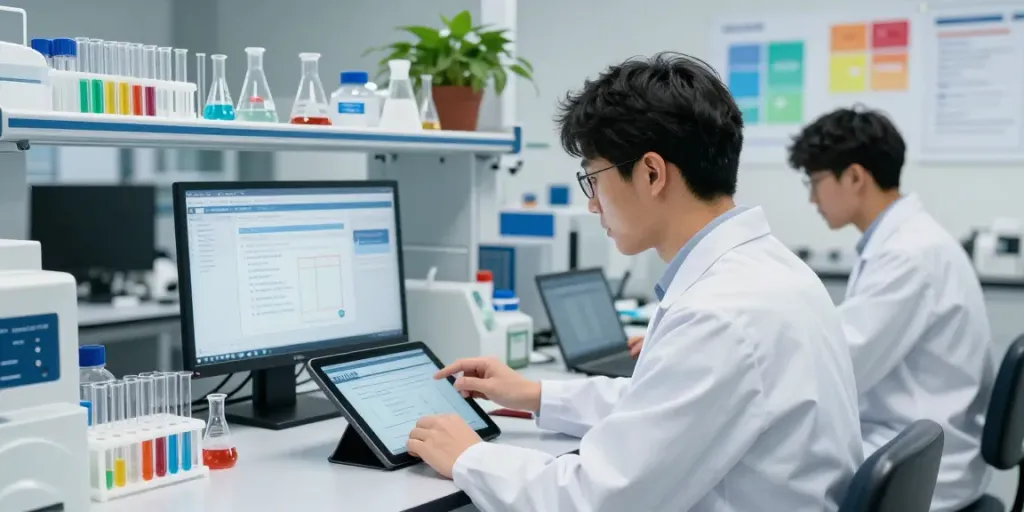
Understanding LabWare LIMS and Its Importance
In the fast-evolving field of laboratory management, effective data handling and workflow automation are vital for maintaining high operational efficiency. The LabWare Laboratory Information Management System (LIMS) addresses these needs by providing a robust platform for sample tracking, data management, and compliance with industry regulations. Whether it’s enhancing laboratory performance or streamlining processes, a comprehensive understanding of LIMS can significantly impact laboratory operations. When exploring options, labware lims course provides comprehensive insights into utilizing this powerful software effectively.
Overview of Laboratory Information Management Systems
A Laboratory Information Management System (LIMS) is designed to manage samples, associated data, and laboratory workflows efficiently. LIMS facilitates the automation of complex laboratory processes, ensuring that data is accurate and easily accessible. Key features of LIMS include sample tracking, data management, audit trails for compliance, and the ability to integrate with various laboratory instruments.
Key Benefits of Using LabWare LIMS
Implementing LabWare LIMS provides a plethora of benefits, such as:
- Improved Efficiency: Automating day-to-day operations reduces manual labor, minimizes errors, and increases productivity.
- Data Integrity: Automated data collection ensures accuracy and compliance with regulatory standards.
- Scalability: LabWare LIMS can adapt to the growing needs of a laboratory, allowing for seamless integration of additional features and modules.
- Enhanced Collaboration: With centralized data access, teams can collaborate more effectively, facilitating better decision-making.
Industry Applications and Relevance
LabWare LIMS finds applications across various industries, including pharmaceuticals, biotechnology, food and beverage, and environmental testing. Its adaptability makes it a suitable choice for laboratories aiming to improve operational workflows and ensure compliance across different regulatory environments.
Getting Started with LabWare LIMS Course
Transitioning to LabWare LIMS requires proper training to unlock its full potential. The LabWare LIMS course is designed to equip individuals with essential skills, ensuring proficiency in using the software.
Prerequisites for LabWare LIMS Training
Before enrolling in the LabWare LIMS course, participants should ideally meet certain prerequisites, such as:
- Basic computer skills
- Understanding of laboratory operations
- A background in life sciences or chemistry (recommended for specific modules)
- Familiarity with data management concepts
Course Structure and Duration
The LabWare LIMS training program spans approximately 30 hours, tailored to fit various schedules. Training sessions can be conducted online or in-person depending on corporate needs. This flexibility ensures that participants can learn at their own pace, whether through one-on-one sessions or group training.
Learning Objectives and Outcomes
Upon completion of the LabWare LIMS course, participants can expect to achieve the following outcomes:
- Proficiency in navigating and utilizing LIMS functionalities
- Ability to manage data workflows efficiently
- Competence in integrating LIMS with existing laboratory systems
- Understanding of compliance requirements associated with LIMS usage
Key Features of LabWare LIMS Training
A well-rounded training program should include several key features to maximize learning and application potential.
Customization Options for Corporates and Individuals
One significant advantage of the LabWare LIMS training is its ability to be tailored for both corporate and individual needs. Organizations can customize course content to align with specific operational requirements, ensuring that training is relevant and immediately applicable to their workflows.
Hands-On Learning Opportunities
Hands-on learning is a critical component of the LabWare LIMS course, providing participants with practical experience in a controlled environment. Scenarios that mimic real-life laboratory challenges allow learners to practice problem-solving and decision-making skills.
Expert Instruction and Support
Participants will benefit from expert instruction provided by seasoned professionals with extensive experience in LIMS implementation and management. This guidance not only helps in understanding theoretical concepts but also equips learners with practical insights that can enhance their proficiency.
Challenges and Solutions in LabWare LIMS Training
Despite the comprehensive nature of LabWare LIMS training, participants may encounter challenges during their learning journey. Addressing these issues effectively is key to achieving educational success.
Common Misconceptions about LIMS
Many professionals entering the field may hold misconceptions about the functionalities and limitations of LIMS. For example, some may believe that LIMS is solely focused on data storage, overlooking its capabilities in workflow automation and compliance management. Educating participants on these aspects is vital.
Overcoming Learning Curves in Technical Training
Technical training can present steep learning curves, particularly for individuals without a strong IT background. To mitigate this, training programs should incorporate gradual learning stages, starting with foundational concepts before progressing to more advanced topics.
Strategies for Effective Learning
To facilitate effective learning within the LabWare LIMS course, participants can employ various strategies, such as:
- Engaging in collaborative learning activities with peers.
- Practicing through simulation exercises to apply theories to real-world scenarios.
- Utilizing additional resources such as webinars, forums, and reading materials recommended by instructors.
Future Trends in LabWare LIMS and Training
The field of laboratory management continues to evolve with technological advancements, shaping the future landscape of LabWare LIMS and its training programs.
Emerging Technologies in Laboratory Management
The integration of emerging technologies such as artificial intelligence (AI), machine learning, and cloud computing in laboratory management systems is anticipated to enhance data analytics capabilities and improve operational efficiency. As these technologies mature, LIMS products like LabWare will adapt to incorporate advanced functionalities.
Predictions for LIMS Software Developments by 2026
By 2026, it is expected that LabWare LIMS software will evolve to include enhanced capabilities for real-time data analytics, predictive modeling, and improved user interfaces. These advancements will better equip laboratories to manage large volumes of data and comply with stringent regulations.
The Growing Need for LIMS Professionals
As laboratories increasingly adopt sophisticated LIMS solutions, the demand for skilled professionals trained in these systems will continue to rise. This trend emphasizes the importance of continuous education and certification opportunities to remain competitive in the job market.
Frequently Asked Questions
- What is LabWare LIMS? LabWare LIMS is a comprehensive laboratory information management system designed to streamline laboratory operations through effective data management and workflow automation.
- Is LabWare LIMS better than LabVantage LIMS? The effectiveness of LabWare LIMS versus LabVantage LIMS depends on specific laboratory needs, including compliance requirements and integration capabilities.
- What is LIMS certification? LIMS certification validates an individual’s expertise in using laboratory information management systems, ensuring they are equipped to handle industry-standard practices.
- How long does LabWare LIMS training take? The LabWare LIMS training typically spans approximately 30 hours, with flexible scheduling options available.
- Are there prerequisites for LabWare LIMS training? Basic computer skills, an understanding of laboratory operations, and familiarity with data management concepts are recommended prerequisites for participants.